Two days from Christmas and much reflecting is taking place.
Our monthly online catchups on YouTube have garnered participants, followers and subscribers and all kinds of other unforeseen offshoots.
It’s beyond anything I could have hoped for and speaks volumes to the ‘weavers as gardeners’ theme touched on in my last post.
It’s dawned on me, that the practice and dissemination of the ancient art of weaving in my country, a term encapsulated by the word kaitiakitanga (guardianship seems the closest parallel) is dependent on a number of foundational elements.
Due to the face-to-face handing down of this knowledge and in a culturally correct and all encompassing way, “mahitahi, kaitahi and moetahi” – meaning we work, eat and even rest united, we create something of a second family.
For some like myself, this can become the firm foundation upon which to build a whole new life centred on weaving.
Indigenous weaving or mahi raranga brings with it a set of principles. These principles allow for groups of strangers to quickly accept and integrate difference and work together to create beautiful, useful and purposeful containers out of the naturally occurring flora in their surrounding environment. Pieces which carry beauty, knowledge and a rich historical record.
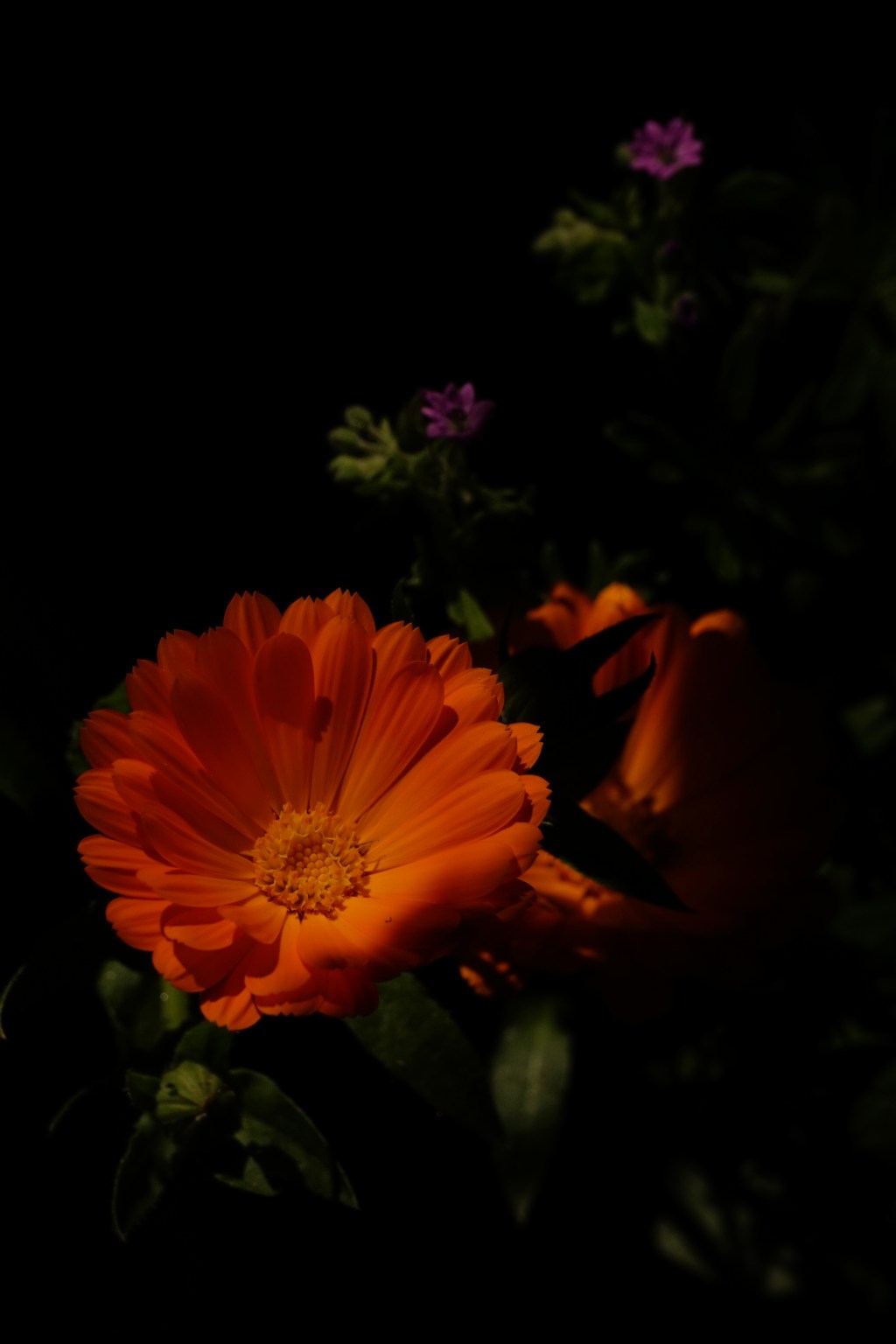
This grouping of people can be conceptually thought of as a garden and mahi raranga itself, the weaver of the people.
The importance of this garden of weavers carries with it the hope and strength needed to push through a difficult learning journey, and if nurtured carefully will bear fruit in abundance.
In the urban environment, where I have found my feet in the universe of indigenous weaving, resourcing and maintaining a well tended supply of material is a constant issue. Many of us utilize council plantings and ribbons of tough, dirty harakeke that grows alongside busy motorways. Some have access to marae and pā harakeke in the wider community and in more rural areas but without resources, learning and teaching mahi raranga is impossible.
From a teaching perspective, one must constantly be tending to relationships that supply us with the weaving material we need and if we grow our own, we must tend to our weaving plants. As one of my more recent students has been quite right in pointing out, we also need to be much more intentional about our plant matter waste.
The monthly streamed meetings I’ve been running require even more weaving and gardening.
We weave ourselves to each other, by sharing our achievements and failures, new information, resources, exhibitions, events and curators. We also tend to our relationships, actively nurturing them and keeping them alive so that they continue to sustain us wherever we are in the country or world.
In Te Ao Tawhito (the ancient world) living together and sharing these tasks was natural, necessary, a matter of survival.
In modern life these relationships may not be entirely necessary for survival, but they are for this precious ancestral knowledge to live and thrive.
No one has yet created a comprehensive encyclopaedia on the subject and if they did, it would cover many volumes. Most weaver’s shy away from this idea anyway, as we intrinsically understand the value of mahi raranga as a living breathing art, it’s greatest aspect being the way in which it brings us in contact with one another in autonomous, respectful relationship.
From where I stand creatively and as kaitiaki, these relationships are as important to the world as ever. With the rise of artificial intelligence and the loss of much of the meaningful work that humans have always undertaken, mahi raranga, relationships with other weavers and a connection to the land, will remain significant in connecting us to what is real and important in a rapidly changing societal landscape.
May your garden blossom under your attentive care and be fruitful and abundant throughout this Christmas and New Year season.
 ko au te kete
Leave a comment